
Account 1 vs Account 2: Where Your Money Goes
Learn how your monthly contributions are split between the two accounts and what each one means for your retirement planning.
Read MoreLearn how to take control of your retirement savings through self-directed investing and potentially boost your long-term growth.

Your EPF Account 2 doesn’t have to sit in default funds. With i-Invest, you’re taking the wheel. It’s a self-directed investment platform that lets you choose where your contributions go — and that choice can make a real difference over 20, 30, or 40 years of saving.
The thing is, most people don’t realize they have this option. They get their EPF statement, see the numbers growing, and assume that’s just how it works. But Account 2 money doesn’t have to follow the standard allocation. You can actively manage it, adjust your strategy, and potentially capture better returns aligned with your personal risk tolerance.


When you activate i-Invest, you’re not abandoning your EPF — you’re customizing it. Your employer contributions still go in. Your own contributions still go in. The difference? Instead of them automatically flowing into the standard balanced fund, you decide the allocation.
You’ll choose from several investment funds offered by your EPF provider — typically ranging from conservative bond-focused funds to aggressive equity-focused options. Think of it like building your own portfolio within the EPF structure. A 35-year-old with a stable job might lean toward 70% equities and 30% bonds. Someone closer to retirement might reverse that split. You’re in control.
The best part? It doesn’t require daily monitoring. You set your allocation, then check in annually or when your life circumstances change. No timing the market. No constant rebalancing. Just a thoughtful approach that matches your timeline and comfort level.
Your KWSP contributions are automatically divided. About 60% goes to Account 1, which is your retirement fund — basically locked until age 55. The remaining 40% goes to Account 2, your flexibility fund, where you can make withdrawals for specific purposes like home purchase or medical emergencies.
Here’s where it gets interesting: i-Invest applies to Account 2 only. Account 1 stays in the standard EPF allocation, designed conservatively to protect your core retirement nest egg. That’s actually smart — your base retirement money remains stable and predictable.

Self-directed investing offers concrete advantages if you’re willing to take a bit more active control.
Equity-focused funds have historically delivered stronger long-term growth than conservative default allocations. If you’ve got 20+ years until retirement, that difference compounds into real money.
You’re not forced into a one-size-fits-all approach. Young professional? Go aggressive. Five years from retirement? Shift conservative. Your strategy evolves with your life.
You’re not just hoping things work out. You’ve made intentional choices about where your money goes. That’s empowering, especially when it’s your retirement we’re talking about.
Your Account 1 stays protected in conservative funds. i-Invest is just your Account 2 — meaning you’re not taking unnecessary risks with your entire retirement savings.

How many years until you retire? Someone retiring in 10 years needs a different strategy than someone with 30 years ahead. Your timeline is your foundation for everything else.
Review the available funds and pick your mix. You’re not making a permanent decision — you can rebalance once a year. Start with something that feels right for your comfort level, then adjust as needed.
Check your EPF statement once a year. Your allocation doesn’t need constant tweaking, but you should review it when your life changes — new job, salary increase, or when you get five years closer to retirement.

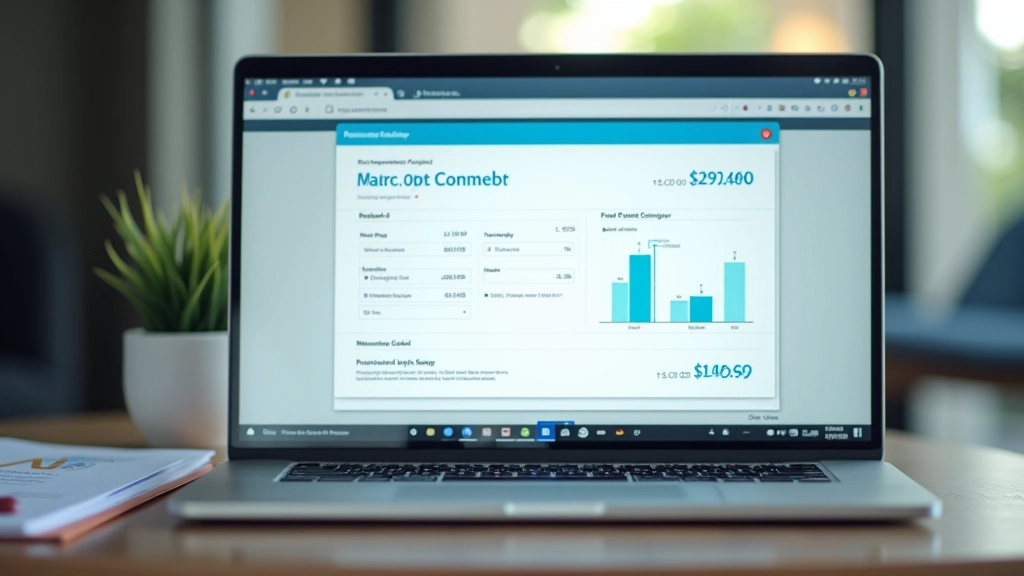
Don’t guess about your retirement readiness. The EPF provides an online calculator that lets you project your savings based on current contributions, assumed returns, and your retirement age. It’s not a crystal ball, but it gives you a realistic ballpark.
Here’s what makes it useful: you can run multiple scenarios. “What if I retire at 60?” versus “What if I work until 63?” You can see how a higher contribution rate affects your end balance. You can estimate whether your projected savings matches your retirement lifestyle.
Most people find this eye-opening. You might discover you’re actually on track for a comfortable retirement, or you might realize you need to boost your contributions or adjust your timeline. Either way, knowing the number beats guessing.
Learn About Projection ToolsSelf-directed investing through i-Invest isn’t complicated, but it does require you to be intentional. You’re taking your Account 2 from passive to active — not in a day-trading sense, but in a thoughtful, strategic way.
The beauty of starting now is time. Whether you’ve got 10 years or 30 years until retirement, those years are your biggest asset. Compound returns work best over long periods, and that’s exactly what i-Invest gives you the chance to capture.
Don’t overthink it. Start with an allocation that matches your timeline and risk comfort. Review it annually. Let time do its work. Your future self will thank you for the effort you put in today.
Understanding your complete EPF picture — Account 1, Account 2, and i-Invest — helps you make informed decisions about your retirement future.
Understand Account SplitsThis article is educational and informational only. It’s not investment advice, financial advice, or a recommendation to use i-Invest. Your retirement strategy depends on your personal circumstances, risk tolerance, income, and goals — factors only you can evaluate. Consider consulting with a qualified financial advisor before making decisions about your EPF allocations or investment strategy. Past performance doesn’t guarantee future results. Investment returns fluctuate, and you could lose money. The information here reflects general concepts as of March 2026 and may change.